Suspicious of Artificial Intelligence

Extensive theoretical and empirical work has enabled the human-AI interaction (HAII) research community
to
understand what factors lead people to trust AI. In current research, trust in Artificial Intelligence
(AI)
is strongly encouraged because the benefits of trusting are often overemphasized. This bias toward
optimism
comes at the expense of a more balanced and complete perspective on the nature and effects of trust,
because
it is also important to consider the so-called “dark side”. Much less effort is devoted to developing a
clear understanding of mistrust and distrust, even though research has already shown that AI is also
used
for harmful and criminal activities.
The topic of mistrust and distrust in AI is sparsely explored in the
specific context of HAII. The proposed Suspicious of Artificial Intelligence (SUSAI) project aims to
fill
this research gap by investigating why people are unwilling to trust AI by focusing on the broader
notion of
mistrust. Using the methods of a literature review and expert interviews, the SUSAI project intends to
develop a conceptual model of mistrust in AI applicable to everyday life HAII contexts.
Team Members
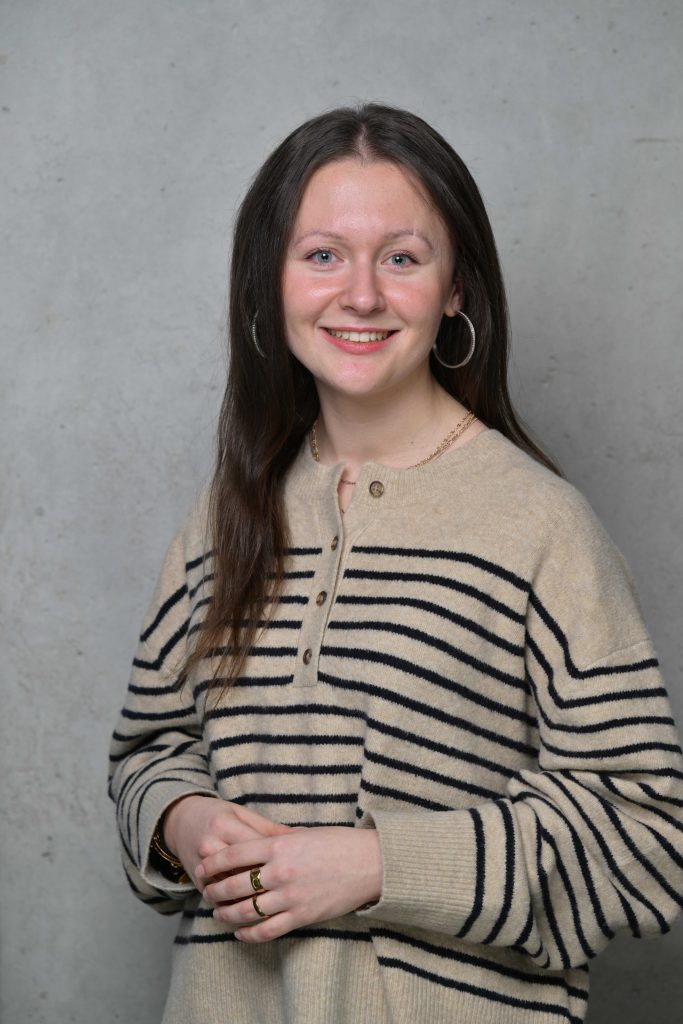
Alice Chumova
Student Assistant
Alice holds a Bachelor's degree in Psychology from the University of
Malta and she is currently pursuing a Master's degree in
Human-Computer Interaction at the University of Salzburg.
Her research interests includes mistrust in AI,
user-centered design, and human-AI interaction.

Linda Schmidt
Student Assistant
Linda is currently completing her bachelor's degree in Computer
Science and in Psychology at the University of Salzburg. Her research
interests include Human-AI Interaction, trust in AI, bias and
fairness, and the intersection of technology and psychology.
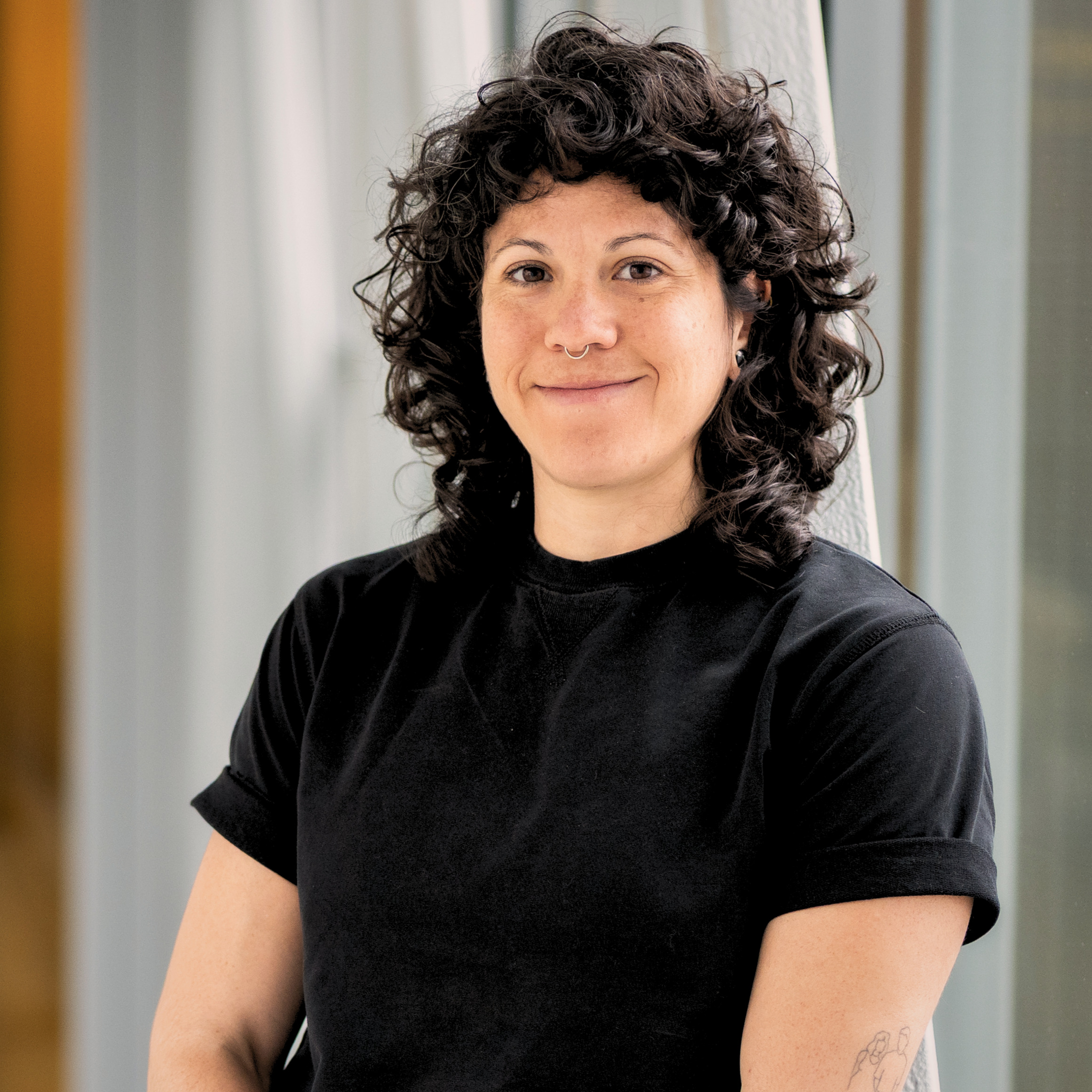
Gabriela Beltrão
Collaborator
Gabriela is a Junior Research Fellow and a PhD candidate at
the School of Digital Technologies, Tallinn
University. She holds a master's degree in Human-Computer
Interaction and in Arts, Culture, and Society. Her research examines how
cultural backgrounds shape trust in technology by drawing on theory and approaches
from human-computer interaction and the social sciences.
Find more information on Gabriela's
Website.

Julia Paramonova
Collaborator
Julia Paramonova is a PhD candidate and a Junior Researcher at
the School of Digital Technologies, Tallinn University. She holds a
Master's degree in Computer Science and Engineering with a specialization in
Human-Computer Interaction. Her research focuses on developing and
applying innovative research and design methodologies to build
trustworthy interactive systems that support appropriate trust
perception.
Julia is happy to connect via
LinkedIn.

Dr. Glenda Hannibal
Principal Investigator
Glenda is a Postdosctoral Researcher in the EXDIGIT project at the University of Salzburg. She holds
a Doctorate in Computer Science from TU Wien whith her dissertation on interpersonal trust in
human-robot interaction. Her research uncover the intersections of trust, explnations, authenticity,
understanding, and vulnerability in everyday human-AI interaction.